William Morris Gallery Event Waste Management in Walthamstow
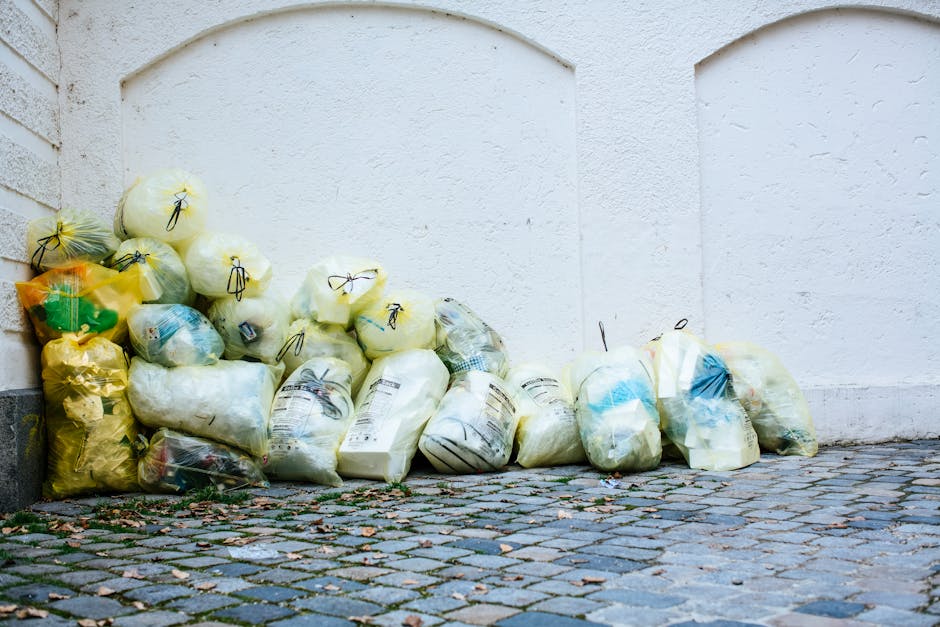
If you are planning, supporting, or tidying up after an event near the William Morris Gallery, waste can become the quiet problem that suddenly takes over the whole day. Bags pile up, cardboard ends up in the wrong place, and one missed collection window can leave a lovely cultural evening feeling a bit less polished. That is where William Morris Gallery Event Waste Management in Walthamstow makes a real difference: it keeps the venue area clear, protects visitors and staff, and helps the event finish as smoothly as it began.
This guide walks through what event waste management involves, why it matters in a busy Walthamstow setting, how the process usually works, and what to watch out for. You will also find practical steps, a useful checklist, common mistakes, and a realistic comparison of waste-handling options. No fluff. Just the stuff that helps when bins are overflowing at 9:30 pm and everyone wants to go home.
Practical summary: good event waste management is not just about removal at the end. It is about planning the waste flow, separating recyclable materials early, keeping access routes clear, and arranging reliable collection so the gallery, surrounding streets, and back-of-house areas are left tidy and safe.
Why William Morris Gallery Event Waste Management in Walthamstow Matters
The William Morris Gallery sits in a part of Walthamstow where footfall, heritage, and local character all matter. Event waste is not just leftover rubbish; it is part of the visitor experience, the operational plan, and the reputation of the event itself. A neat entrance, clean courtyard, and well-managed overflow area tell people that the event has been thought through properly. And to be fair, people notice these things even if they do not mention them out loud.
Walthamstow is busy, lived-in, and pleasantly unpredictable. On event days you may be working around deliveries, residents, neighbouring businesses, narrow access, and the usual London timing pressure. Waste that would be easy to ignore in a big open venue can quickly become a blockage here. One stack of boxes by a fire exit, one bag of food waste left for too long, and suddenly you have odour, pests, trip risks, and awkward conversations with staff.
Gallery events also tend to create mixed waste streams. You might have paper brochures, packaging from suppliers, disposable catering materials, damaged display items, broken furniture from set-up, and the occasional awkward item that needs special handling. The challenge is not just volume. It is variety.
That is why the best approach is usually planned, not improvised. In our experience, the smoothest events are the ones where waste is treated like any other logistics task: you allocate space, assign responsibilities, and know in advance who clears what, when, and where it goes.
How William Morris Gallery Event Waste Management in Walthamstow Works
At a practical level, event waste management is a simple chain with a lot of moving parts. Waste is generated, sorted, collected, removed, and taken for recycling or disposal depending on the material. The trick is making sure each step happens at the right time, without disrupting visitors or staff.
For gallery events, the process usually starts before the event even begins. You identify likely waste types, estimate how much will be produced, and decide where bins, sacks, cages, or collection points should go. If the event includes catering, packing materials, or install work, those streams need extra attention. A quiet exhibition preview may create far less waste than a launch night with drinks, signage, and branded material. That sounds obvious, but it is amazing how often the obvious gets missed.
Then comes the operational part. During the event, bins should be easy to find but not visually intrusive. Staff need to know which materials go where. If a contractor is used for collection, access timings should be agreed in advance so there is no confusion at the loading bay or entrance. After the event, waste is cleared quickly so the venue can reset, clean, and prepare for the next day without the leftover mess hanging around.
When waste handling involves office-style paperwork, guest lists, or internal documents, a separate secure stream may be needed. For those situations, services such as confidential shredding can be part of the wider event plan. Likewise, if the event produces bulky items such as staging boards, furniture, or display materials, the right disposal route matters. A little planning saves a lot of lifting later.
Key Benefits and Practical Advantages
Well-run waste management at an event venue gives you more than a tidy floor. It supports the whole experience, from safety to sustainability. Here are the biggest practical advantages.
- Cleaner visitor areas: guests are less likely to see overflowing bins, loose packaging, or scattered cups.
- Safer movement routes: clear walkways reduce trip hazards and help staff move without dodging waste piles.
- Better recycling outcomes: separated materials are easier to recover, especially cardboard, paper, and clean plastic.
- Less stress for staff: when everyone knows the plan, the clean-up does not become a last-minute scramble.
- More professional presentation: a tidy venue reflects well on the gallery and the event organiser.
- Reduced contamination: mixed waste is harder to sort and often ends up costing more to handle.
There is also a reputation benefit that people underestimate. Visitors may not remark on the bin strategy, but they absolutely notice if the venue feels organised. A fresh, uncluttered space simply feels better. You can almost hear the difference: less clatter, fewer apologetic calls across the room, more calm.
If your event includes furniture set-up, temporary seating, or old display items being removed beforehand, it can help to coordinate with services like furniture clearance or furniture disposal so bulky items do not end up becoming an obstacle before the doors even open.
Who This Is For and When It Makes Sense
This kind of waste management is useful for a fairly wide group of people, not just venue managers. If you are involved in an event at or around the William Morris Gallery, this may apply to you:
- gallery staff coordinating exhibitions, talks, or private functions
- event organisers handling set-up and breakdown
- caterers managing food packaging, cups, and service waste
- install teams dealing with wood offcuts, fixings, and display materials
- marketing teams producing printed collateral and branded materials
- cleaning teams tasked with final reset and waste separation
It also makes sense when you have any of the following conditions:
- a tight turnaround between events
- limited storage for waste on site
- mixed waste streams that cannot be left in one pile
- bulky items needing removal after a temporary setup
- special handling needs for electricals, sharp items, or sensitive documents
If the event is small, you may only need a simple collection plan. If it is larger, or involves multiple suppliers arriving at different times, it is worth having something closer to a full waste strategy. Nothing fancy. Just clear, written, and workable.
Step-by-Step Guidance
Here is a practical way to handle event waste without overcomplicating it.
- Estimate the likely waste types. Think through catering, packaging, printed materials, decorations, and any build or breakdown waste.
- Separate waste streams early. Put recycling, general waste, and any special items into different containers from the start.
- Map out bin locations. Place bins where people naturally pause, but keep exits, corridors, and display areas clear.
- Assign responsibilities. Decide who checks bins, who replaces liners, and who calls for removal when needed.
- Plan access for collections. Make sure contractors can get in and out without disrupting visitors or deliveries.
- Clear bulky items promptly. Do not let spare chairs, broken stands, or packaging sit around waiting for "later". Later has a habit of becoming tomorrow.
- Review what happened afterwards. Note what filled up fastest, what was hard to recycle, and what needs a better setup next time.
For venues or organisers handling larger amounts of mixed waste, a broader service such as waste removal can be a sensible back-up, especially when the job includes a mix of bagged waste and awkward items. If the event also leaves renovation debris or installation offcuts, builders waste clearance may be more appropriate for the heavier end of the pile.
Expert Tips for Better Results
These are the small things that tend to separate a smooth event from a messy one.
1. Label bins clearly. People are busy. If the labels are vague, the waste will be, too. Use plain language and keep it simple: paper, recycling, food waste, general waste.
2. Put recycling where people can actually use it. A beautifully placed recycling station that nobody sees is not a recycling station. It is decoration.
3. Keep one person in charge of the waste plan. Not every task needs a committee. One clear point of contact saves confusion when the venue gets lively.
4. Watch the early pile-up. If one bin starts filling too fast, adjust immediately. Do not wait until the room smells faintly of stale coffee and cardboard.
5. Know your awkward items before the event starts. Fridges, sofas, damaged screens, and other bulky items need separate handling. Services like fridge and appliance removal or mattress and sofa disposal can be useful if the event setup includes temporary furnishings or storage clear-out work.
6. Leave a little spare capacity. The event always generates more packaging than expected. Always. A spare sack or two can save a lot of grief near closing time.
Common Mistakes to Avoid
Most event waste issues are not dramatic. They are small planning gaps that snowball. Here are the most common ones.
- Mixing all waste into one stream: it is fast at the time, but it creates more sorting work later and weakens recycling efforts.
- Underestimating catering waste: cups, napkins, food containers, and leftovers add up quickly.
- Leaving collection too late: if removal is delayed, waste can sit through the next event or spill into staff areas.
- Blocking access routes: waste in corridors, entrances, and loading areas causes safety issues and slows everything down.
- Forgetting special items: electricals, sharp materials, and hazardous substances need a different approach.
- Not checking venue rules: some sites have specific expectations for storage, timing, or access. Ignore them at your peril.
A small example from a real-world style situation: a team clears a pop-up display at 6 pm, bundles all packaging into one corner, then realises the waste vehicle cannot get close until after public closing. Suddenly that "quick tidy-up" is three people standing around boxes at 8 pm. Not ideal. Not the worst thing in the world, but avoidable.
Tools, Resources and Recommendations
You do not need a warehouse of equipment to manage event waste well, but a few practical tools make life easier.
- Clearly labelled bins or sacks: use them to separate waste at the point of disposal.
- Heavy-duty gloves and trolleys: helpful for safe handling during breakdown and load-out.
- Waste log sheet: a simple note of what was collected and where it came from.
- Collection schedule: even a basic timeline helps prevent overlap with visitor movement.
- Supplier checklist: useful when multiple contractors are on site and nobody wants to guess whose cardboard is whose.
For larger or more varied clean-ups linked to event production, you may also want to look at related services such as business waste removal for ongoing operational waste, or office clearance if the event includes back-office tidy-up, archive removal, or temporary workspace reset.
If the event sits within a broader property refresh, it can also help to review flat clearance or home clearance style services for nearby prep work, especially when temporary storage areas are being emptied for the event period.
Law, Compliance, Standards, or Best Practice
Event waste management in the UK needs to follow sensible environmental and safety practice. The exact legal responsibilities depend on the nature of the waste, who produced it, and how it is stored or removed. Rather than overstate it, the safest summary is this: if you produce waste, you are responsible for handling it properly and ensuring it is passed to an appropriate carrier or facility.
For a venue or organiser, that usually means:
- keeping waste sorted where feasible
- avoiding unsafe storage or obstruction
- making sure hazardous items are treated separately
- using suitable collection and disposal arrangements
- keeping a clear internal record of what happened, especially for recurring events
Best practice also includes basic health and safety measures. Staff should not be lifting awkward loads without care, waste should not be left where the public can trip over it, and materials that may leak, smell, or attract pests should be removed promptly. That is simply good venue management, really.
For materials that may be considered hazardous or require extra caution, a dedicated route matters. If you are not sure whether something falls into that category, treat it carefully and seek the right handling pathway. Services such as hazardous waste disposal exist precisely because not everything should be bundled into ordinary waste.
It is also worth paying attention to broader business standards: secure handling of sensitive material, fair labour practices in the supply chain, and basic safety assurance. Pages such as health and safety policy, insurance and safety, and modern slavery statement signal the kind of operational seriousness people expect from a responsible provider. A bit formal, yes, but important.
Options, Methods, or Comparison Table
Different events need different waste methods. The right choice depends on volume, timing, and the type of material involved.
| Method | Best for | Strengths | Limitations |
|---|---|---|---|
| On-site sorting with scheduled collection | Smaller or medium events with predictable waste | Simple, flexible, easy to manage during the event | Needs disciplined staff and enough bin capacity |
| Dedicated waste removal service | Mixed waste, bulky items, quick turnarounds | Reduces manual handling and speeds up clear-out | Requires advance booking and clear access arrangements |
| Project-style clearance | Build, breakdown, or post-event venue reset | Useful for large volumes and awkward items | May be more than you need for a small gathering |
| Ongoing business waste arrangement | Repeated events or regular venue operations | Good for consistency and routine management | Less tailored to one-off spikes unless planned properly |
If you are unsure which approach fits, think about the event's shape rather than just the waste volume. A small VIP evening with lots of catering may need more support than a larger but simpler talk. Context matters. Always has.
Case Study or Real-World Example
Imagine a late afternoon cultural reception at the gallery with a short set-up window, drinks service, printed programmes, floral arrangements, and a few temporary display fixtures. Before the event, the team needs to clear old packaging and a couple of damaged chairs from the prep area. During the event, glass, paper, food scraps, and napkins build up faster than expected. After closing, there is still a stack of cardboard from supplier deliveries sitting near the exit.
In a well-managed version of this scenario, the organiser has already:
- booked a collection window that fits the venue access time
- separated recyclable packaging from general waste
- arranged removal of the chairs before guest arrival
- kept bins discreetly placed but easy to reach
- briefed the team on who empties bins and who reports issues
The result is not glamorous, but it is efficient. Visitors leave through a calm, clear space. Staff do not spend an extra hour hunting for sacks. The gallery is ready to reset the same evening. And that, honestly, is the difference between a decent event and one that feels properly under control.
If you need extra help with bulky household-style items as part of event prep or venue reset, related services such as garage clearance, loft clearance, and house clearance can support broader clean-out work before or after an event period.
Practical Checklist
Use this checklist before the event, and again before the final clear-up.
- Have you identified the main waste types the event will produce?
- Are bins clearly labelled and placed where people can actually use them?
- Is there a separate plan for recycling, general waste, and bulky items?
- Do staff know who is responsible for monitoring waste during the event?
- Is collection timing aligned with venue access and visitor flow?
- Have you planned for cardboard, food waste, and packaging spikes?
- Are any hazardous, sharp, or confidential materials set aside for special handling?
- Have you arranged a route for large items that will not block exits or corridors?
- Do you know who to contact if the waste plan starts falling apart at 7 pm?
- Have you reviewed what worked so the next event is even smoother?
Helpful reminder: if you are managing a wider clean-out alongside the event, it may be worth reviewing pricing and quotes before booking, so you can match the service to the actual job rather than guess. A lot of headaches disappear once the scope is clear.
Conclusion
William Morris Gallery event waste management in Walthamstow is really about control, clarity, and calm. When waste is planned properly, the venue stays safer, cleaner, and easier to run. Visitors enjoy the event without noticing the behind-the-scenes scramble, and staff can focus on the experience rather than the bins.
That is the sweet spot: a tidy event that feels effortless from the outside because the hard work was done quietly in advance. If you are preparing for an event, reset, or post-event clearance, keep the waste plan simple, realistic, and specific to the space. Small choices make a big difference. They really do.
Get a free quote today and see how much you can save.
If you want to learn more about the people behind the service, take a look at about us. And if you are ready to sort out a collection, you can book online when the timing feels right.
Frequently Asked Questions
What does event waste management include at the William Morris Gallery?
It usually includes planning bin locations, separating waste streams, managing collections, and clearing leftover materials after the event. In some cases, it also covers bulky item removal, recycling coordination, and special handling for sensitive waste.
Why is event waste planning important for a gallery setting?
Because galleries need to stay safe, tidy, and welcoming. Waste can quickly affect visitor experience, access routes, and staff workload if it is not managed properly.
How early should waste arrangements be made before an event?
As early as possible. For smaller events, a basic plan may be enough. For larger or more complex events, waste arrangements should be part of the initial event logistics, not an afterthought on the day.
Can recycling be handled during a busy event?
Yes, if bins are labelled clearly and placed in sensible locations. The simpler the sorting system, the better the chance people will actually use it correctly.
What happens if there are bulky items left after the event?
Those items should be removed separately, rather than left with general waste. Bulky items may need dedicated clearance or disposal depending on what they are and how much space they take up.
Is confidential waste ever relevant to event management?
It can be. Registration sheets, staff lists, internal paperwork, or other sensitive documents may need secure handling, which is where confidential shredding becomes useful.
How do I avoid waste piling up during the event?
Assign someone to monitor waste levels, place bins where people naturally gather, and increase capacity before the first bin overflows. That one simple habit saves a lot of mess.
What is the best option for mixed event waste?
Usually a dedicated waste removal or clearance approach works best for mixed loads, especially if the event produces both bagged waste and bulky items. The right choice depends on the size and timing of the job.
Are hazardous items handled differently?
Yes. Anything that may be hazardous, sharp, or potentially harmful should be separated and handled with extra care. Do not lump it in with ordinary waste.
Can one service cover both event waste and venue tidy-up?
Often yes, provided the scope is clear. A broader waste or clearance service can sometimes cover pre-event prep, post-event breakdown, and removal of awkward items in one go.
What should I check before booking a waste service?
Check the type of waste, access needs, timing, and whether the service suits the volume involved. It also helps to review practical details like payment, safety, and terms before confirming anything.
How do I know if I need a simple waste collection or a fuller clearance?
If you only have a few bags and light recycling, a simple collection may be enough. If you have mixed materials, bulky items, or a tight turnaround, a fuller clearance is usually the safer choice.
Where can I learn more about sustainability and waste handling?
It can help to review related guidance on recycling and sustainability, especially if your event aims to reduce landfill use or improve separation of materials at source.